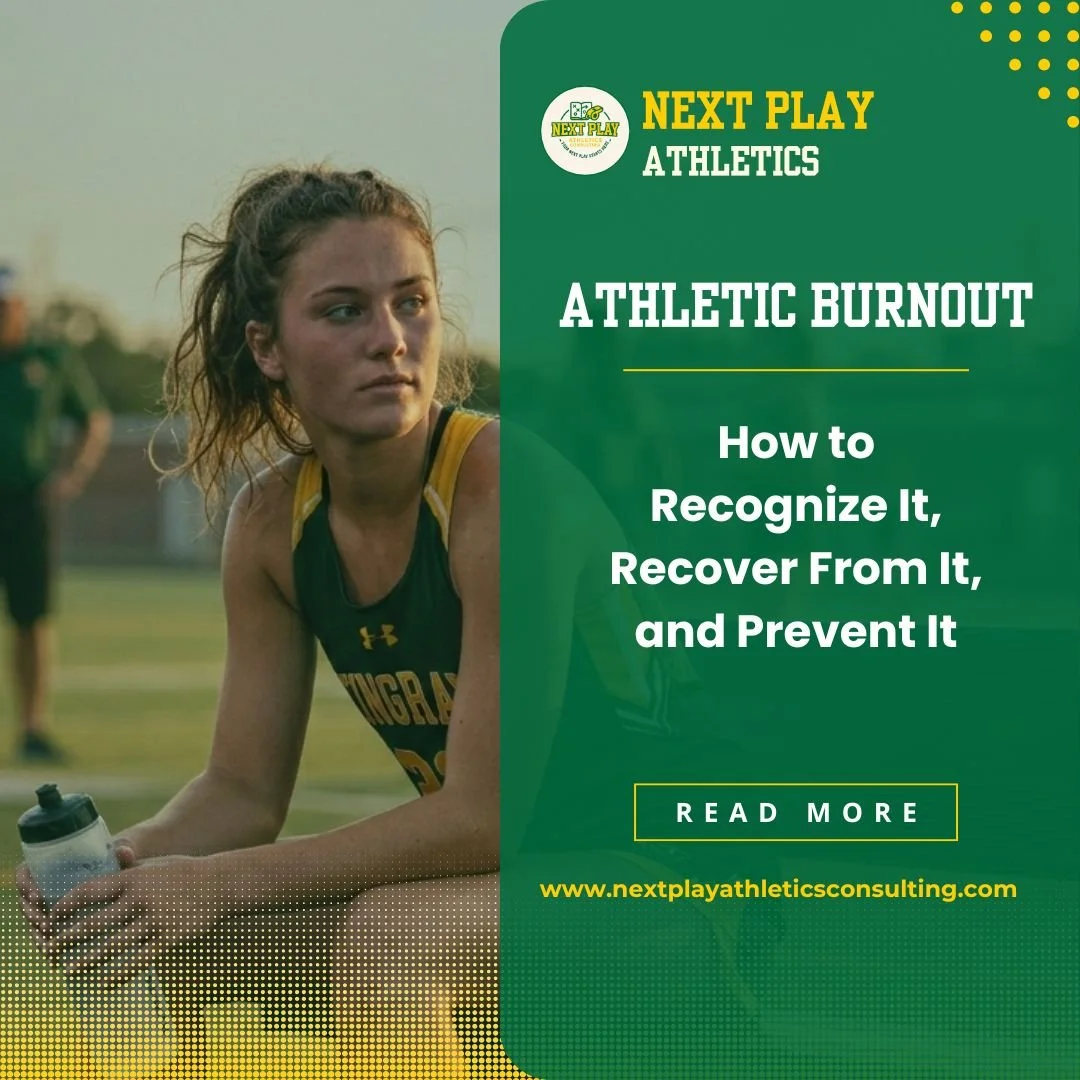
Athletic Burnout: How to Recognize It, Recover From It, and Prevent It
the hidden epidemic in youth sports
Athletic burnout is more common than most families realize. The pressure to specialize early, compete year-round, and constantly improve takes a toll on young athletes. Burnout isn't just feeling tired; it's a state of physical, emotional, and mental exhaustion that can end athletic careers prematurely and affect overall well-being. Recognizing the signs early is crucial.
recognizing the warning signs
Burnout doesn't happen overnight. Watch for declining performance despite adequate training. Notice if enthusiasm for the sport disappears. Pay attention to increased injuries, persistent fatigue, or trouble sleeping. Emotional symptoms include irritability, anxiety, and withdrawal from teammates and family. If you see these signs, take them seriously.
physical symptoms
Your body often signals burnout before your mind fully registers it. Chronic muscle soreness that doesn't recover with rest, frequent illness due to a compromised immune system, and nagging injuries that won't heal are all physical manifestations of overtraining and burnout. Ignoring these signals leads to more serious breakdowns.
emotional and mental symptoms
Loss of motivation is the hallmark emotional symptom. Athletes who once loved their sport may dread practice or competition. Perfectionism and fear of failure intensify. Some athletes develop anxiety about performance or feel trapped by expectations. Depression can accompany severe burnout. These mental health impacts deserve attention and care.
the recovery process
Recovery starts with reducing training load and, in severe cases, taking a complete break from the sport. This can feel counterintuitive when college recruiting feels urgent, but continuing to push through burnout only makes it worse. Use the break to reconnect with other interests, spend time with friends and family, and rediscover who you are beyond athletics.
prevention strategies
Prevent burnout by building rest into your schedule. Take at least one day off per week and one month off per year from organized competition. Play multiple sports or engage in varied physical activities to prevent repetitive stress. Maintain interests outside of sports that give you identity beyond being an athlete. Set boundaries around training volume.
the role of adults
Parents, coaches, and trainers must prioritize athlete well-being over short-term performance goals. Create environments where athletes feel safe discussing their mental and physical state. Watch for signs of burnout and intervene early. Remember that the goal is developing healthy adults, not just winning games today.
Worried about burnout affecting your performance or love of the game?
Book a free consultation with Next Play Athletics Consulting at https://www.nextplayathleticsconsulting.com/ for sustainable training strategies that protect your well-being today.