Beyond Division I: The Truth About Facilities & Academics at Non-D1 Schools
When I posted that reel about Division II facilities, and it started gaining traction, the comments told me everything I needed to know:
A lot of families still believe that only Division I schools have elite facilities and strong academic environments.
That simply isn’t true.
Let’s reset the conversation.
Facilities: quality is not limited to division i
College athletics is governed by the National Collegiate Athletic Association and includes three divisions:
NCAA Division I
NCAA Division II
NCAA Division III
The difference between divisions is structure and scholarship models, not necessarily quality.
Many Division II programs have invested heavily in their athletic infrastructure to remain competitive in recruiting. That includes:
Modern football and soccer stadiums
Renovated basketball arenas
Advanced strength & conditioning facilities
Sports medicine and athletic training centers
Nutrition stations and recovery spaces
Here’s what Division II facilities can look like:
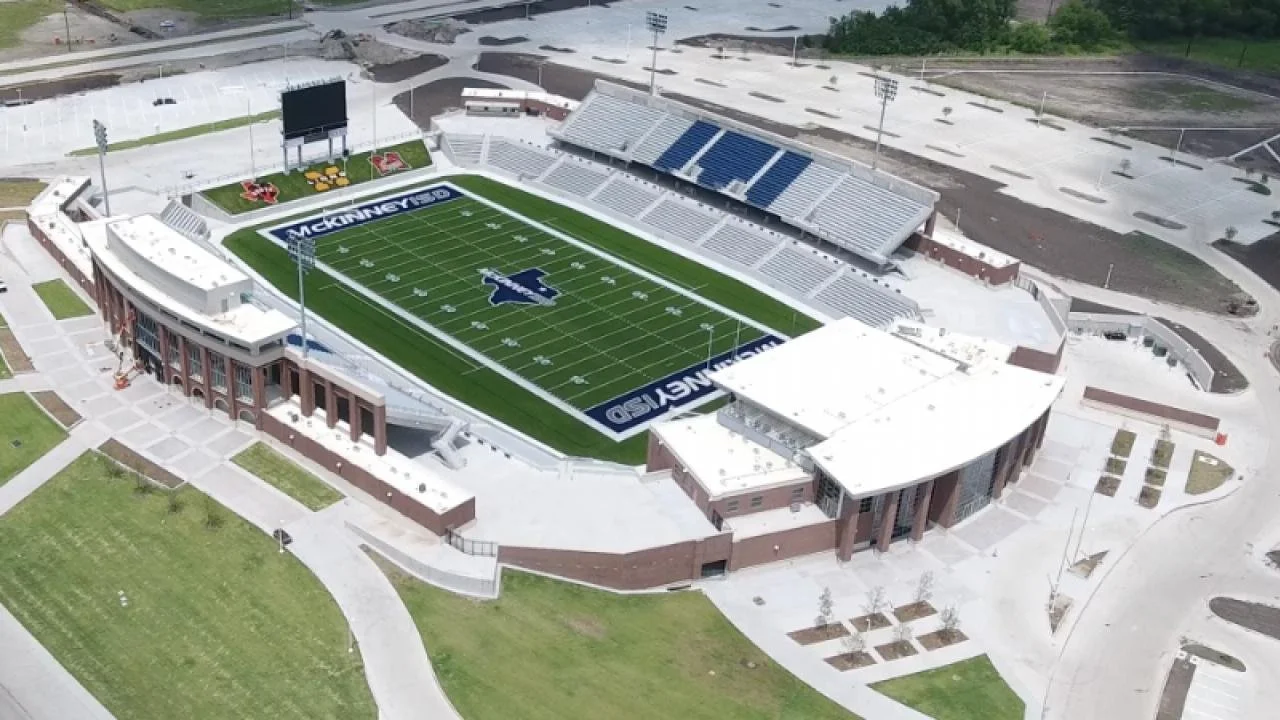
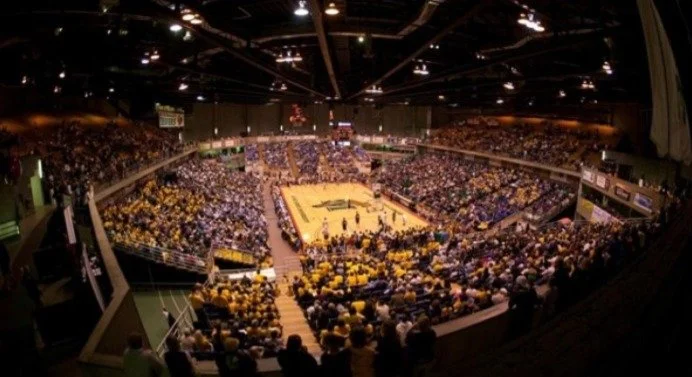
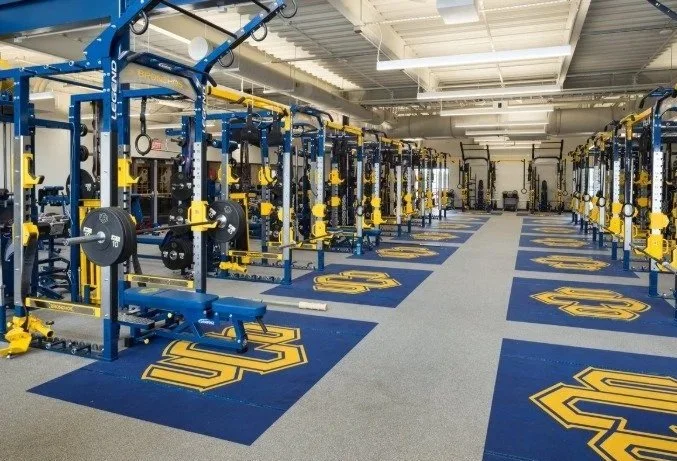
Notice something?
These spaces are clean, updated, competitive, and built to support high performance.
The assumption that “non-D1” equals outdated or under-resourced is often based on perception not reality.
Academics: Where non d-1 schools quietly win
Another overlooked factor is academic quality.
Many Division II and III institutions are smaller, which often means:
Lower student-to-faculty ratios
More direct access to professors
Strong academic support for student-athletes
Intentional career preparation programs
Higher levels of personal attention
For student-athletes balancing practice, travel, and coursework, that support matters.
In some cases, smaller campuses provide:
More individualized advising
Earlier internship opportunities
Stronger faculty mentorship
Athletic facilities matter.
But academic infrastructure is what sustains long-term success.
what families should actually be evaluating
Instead of asking, “Is it D1?”
Ask:
Are the facilities competitive and supportive of development?
Is the academic environment structured for student-athlete success?
What resources are available for strength, conditioning, and recovery?
How accessible are professors and advisors?
Division does not automatically determine quality.
Fit does.
the bigger picture
There is absolutely nothing wrong with pursuing Division I opportunities.
But it is risky to assume that Division I is the only level offering:
High-level facilities
Competitive environments
Strong academics
Meaningful development
Division II and III schools across the country are investing, upgrading, and building environments that position student-athletes to thrive, both on the field and in the classroom.
The real win is not the label.
It’s leaving with your degree, your development, and your future intact.
When families expand their perspective beyond one division, they give themselves more options , and in recruiting, options equal leverage.
And leverage?
That’s powerful.