Injury and Recruiting: How to Stay on a Coach's Radar While You Heal
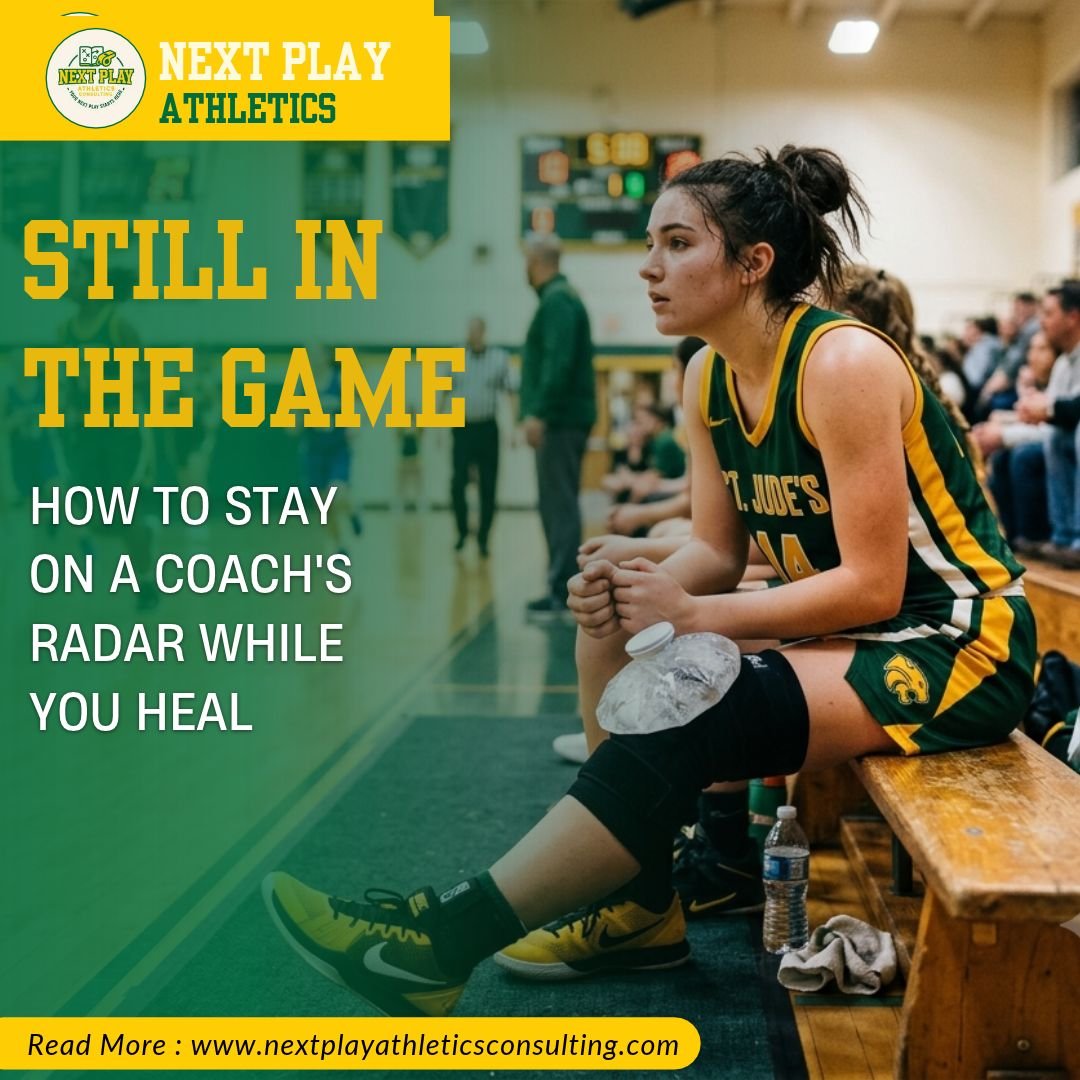
the fear every injured athlete has
The moment an injury happens, most athletes have the same panicked thought: is my recruitment over? It is a fair fear, but rarely the reality. Coaches evaluate hundreds of athletes every year who have dealt with injuries, and how you handle the setback often tells them more about you than the injury itself.
communicate before they have to ask
Do not disappear from a coach's inbox the moment you get hurt. Reach out proactively, explain what happened in simple terms, and give a realistic recovery timeline as soon as you have one. Silence makes coaches assume the worst. A short, honest update shows maturity and keeps the relationship active while you are out.
keep your film and story current, even injured
You do not need new game footage to stay visible. Update your recruiting profile with your recovery timeline, share appropriate progress on rehab if you are comfortable, and make sure your existing highlight film is still front and center. Coaches want to see the player you were and the player you are becoming again.
let your grades do some of the talking
An injury is the perfect time to lean into what you can still control. Strong grades, a high test score, or finishing a tough course reassures a coach that you are a serious, well-rounded recruit, not just an athlete waiting on a body part to heal. Academic effort never goes on the injured list.
understand the medical redshirt conversation
Depending on your sport and level, a significant injury may factor into redshirt or eligibility conversations down the road. You do not need to become an expert overnight, but understanding the basics helps you ask smarter questions and avoid surprises later in the process.
watch for programs that disappear
Unfortunately, some coaches quietly move on when an athlete gets hurt, and that is real information. A program that goes silent the moment you are not immediately useful may not be the right fit long term. Pay attention to who stays engaged during the hard stretch, not just during the highlight reel stretch.
come back with a story, not just a recovery
When you do return, your comeback is part of your recruiting story, not separate from it. Coaches respect athletes who worked through adversity with a plan and a positive attitude. Frame your injury as a chapter that shows resilience, not a reason to apologize for your recruitment.
Dealing with an injury during your recruiting window?
Book a free consultation with Next Play Athletics Consulting at https://www.nextplayathleticsconsulting.com/ for a plan that keeps you visible and on track while you heal today.